On 8 and 9 February 2025, the "International Civil Society Forum to Abolish Nuclear Weapons—80 Years Since the Atomic Bombings" was held at the University of the Sacred Heart in Shibuya, Tokyo. The two-day event, organized by the Japan Campaign to Abolish Nuclear Weapons, brought together approximately 900 participants both in-person and online. The forum coincided with the 80th anniversary of the atomic bombings of Hiroshima and Nagasaki and preceded the Third Meeting of States Parties to the Treaty on the Prohibition of Nuclear Weapons at the United Nations Headquarters in New York in March 2025.
The Japan Campaign to Abolish Nuclear Weapons was established in April 2024 by the Japan NGO Network for Nuclear Weapons Abolition, which includes the Soka Gakkai Peace Committee among its members. The campaign collaborates with various NGOs to promote nuclear disarmament efforts.
The first day featured a plenary session, including testimonies from hibakusha (atomic bomb survivors), lectures and panel discussions with diplomats and experts. The second day offered parallel sessions, exhibitions and workshops hosted by various NGOs.
The Soka Gakkai Peace Committee organized an exhibition and a workshop as part of the event. The exhibition "Portraits of the Hibakusha—80 Years Remembered," displayed powerful black-and-white portraits of hibakusha from Hiroshima and Nagasaki alongside their testimonies. The exhibit utilized innovative lenticular technology to create a three-dimensional effect, enhancing the emotional impact of the survivors’ facial expressions. Many participants from Japan and overseas visited the exhibition and watched the documentary film. Some of the participants viewed the exhibition with great interest and were deeply moved, saying that they felt as if the hibakusha directly spoke to them about the reality of atomic bombings, and reaffirmed how important it is to realize a world free from nuclear weapons. The exhibition encouraged them to commit to this goal.

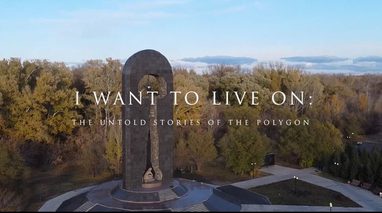
The committee organized a workshop focused on the often-overlooked issue of global hibakusha—people who have suffered radiation exposure due to nuclear weapon production, testing and uranium mining. To illuminate the problem, the workshop screened “I Want To Live On: The Untold Stories of the Polygon,” a documentary produced by the Center for International Security Policy (CISP) in Kazakhstan with SGI support. This film presented powerful testimonies from victims of nuclear tests at the Semipalatinsk Test Site, known as “the Polygon,” highlighting the enduring consequences of the over 2,000 nuclear tests conducted globally since World War II. The workshop aimed to underscore the importance of victim assistance and environmental remediation, as the Treaty on the Prohibition of Nuclear Weapons advocates, and to increase public awareness of the widespread impact of nuclear activities.
The screening was followed by a Q&A session with the film’s director, Alimzhan Akhmetov (Director of CISP), and Dmitriy Vesselov, a third-generation nuclear testing survivor from Kazakhstan. Approximately 30 participants engaged in discussions on the health effects of nuclear tests, compensation measures, the impact of radiation on women and the motivations behind creating the documentary.
During the session, Akhmetov emphasized that ordinary people bear the greatest suffering from nuclear weapons. He highlighted the importance of disarmament education, noting that understanding the consequences of nuclear tests can help prevent history from repeating itself. He encouraged attendees to share the documentary widely to foster global solidarity and support for nuclear victims.
The forum served as a vital platform for dialogue, education and advocacy on nuclear abolition, as well as underscoring the need for ongoing efforts toward nuclear abolition and collective action to achieve a world free of nuclear weapons.